
Photos by: Jayson Olthoff
A proposal to annex land into the City of Great Falls for the Little Shell Tribe’s Good Medicine Housing Developmentsparked one of the most extensive public hearings seen before the Great Falls City Commission in recent months, drawing passionate testimony from both supporters and opponents before commissioners ultimately approved the project.
The proposed development will include approximately 115 residential units on the city’s west side, featuring a mix of single-family homes, duplexes, townhomes, and apartment buildings, along with parks, walking trails, and open space.
City planning staff recommended approval of the annexation, planned unit development (PUD), and subdivision plat, stating that the proposal met the city’s development standards. However, the hearing quickly became a broader discussion about housing, neighborhood growth, infrastructure, and the future relationship between the City of Great Falls and the Little Shell Tribe.
Supporters Highlighted the Need for Housing
Those speaking in favor of the project consistently pointed to Great Falls’ ongoing housing shortage, saying additional housing is critical for families, workers, and the city’s future growth.

Supporters argued that the Good Medicine development would:
- Increase the city’s housing supply.
- Provide quality homes for working families.
- Support economic development by helping employers attract and retain workers.
- Strengthen the partnership between the City of Great Falls and the Little Shell Tribe.
Several speakers described the project as more than simply another housing subdivision. They called it an investment in the community that would provide opportunities for tribal members while also benefiting the broader Great Falls community.
Supporters also addressed concerns about the property potentially becoming tribal trust land in the future. They noted that no application currently exists to place the property into trust and emphasized that any future request would require its own federal review and approval process.
Many urged commissioners to evaluate the project based on the proposal before them rather than on speculation about future actions.
Opponents Voiced Concerns Over Traffic, Infrastructure, and Future Land Status
Residents living near the proposed development expressed a very different perspective during the public hearing.
Traffic and pedestrian safety emerged as some of the most frequently discussed concerns.

Neighbors questioned whether nearby roads could safely handle the increase in traffic generated by more than 100 additional housing units. Several pointed to the lack of sidewalks, increased school traffic, and concerns about emergency vehicle access.
Another significant concern involved the possibility that the property could someday be placed into federal trust for the Little Shell Tribe.

Others questioned whether existing infrastructure and city services were prepared for a development of that size.
Although speakers acknowledged that no trust application currently exists, several residents expressed concern that future changes could affect taxation, city services, jurisdiction, and local control. They argued that those uncertainties deserved careful consideration before approving the project.
Some opponents also said neighboring property owners had invested in the area under different expectations and believed additional protections should be considered before allowing the development to proceed.
Commissioners Explored Key Questions
During commissioner discussion, several questions were directed to both city staff and representatives of the Little Shell Tribe.
Topics included:
- The legal process for annexation.
- Whether the property is currently tribal trust land.
- How any future trust application would be handled.
- Utility and infrastructure responsibilities.
- Road improvements.
- Tax implications.
- Fair housing requirements.
- The city’s legal authority when considering developments that meet established planning standards.
Commissioners also discussed the balance between neighborhood concerns and the legal criteria they are required to use when evaluating annexation and zoning requests.
Commission Approves Development
Following extensive public testimony and commissioner deliberation, the Great Falls City Commission voted 4-1 to approve the Good Medicine Housing Development, including the annexation, planned unit development, and subdivision plat.
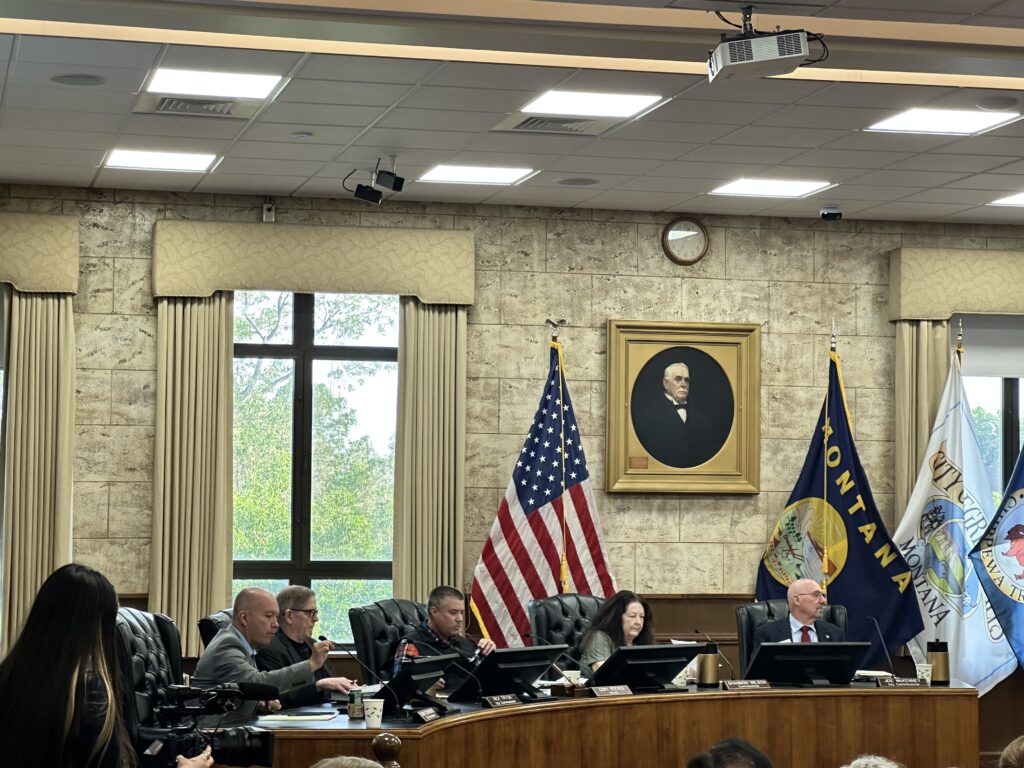
The vote allows the project to move forward through the remaining development process before construction begins.
The public hearing illustrated two distinctly different visions for Great Falls’ future. Supporters viewed the project as an opportunity to address the community’s housing shortage while strengthening economic development and expanding opportunities for the Little Shell Tribe. Opponents emphasized protecting existing neighborhoods, ensuring adequate infrastructure, and seeking greater certainty about the long-term implications of the development.
While the commission’s decision officially moves the project forward, the discussion made clear that the Good Medicine development has become one of the most closely watched growth projects in Great Falls, highlighting the ongoing challenge of balancing community growth, neighborhood concerns, and the city’s increasing demand for housing.